


Human Machine Interface (HMI) Safety Campaign
- Global Safety Training
- Oct 18, 2025
- 4 min read
In the realm of manufacturing and automated systems, Human Machine Interfaces (HMIs) serve as a crucial link between machine operators and equipment. The safety of these interactions is paramount. With the increasing complexity of machinery and the potential hazards associated with HMI, raising awareness about safe practices is essential. In this blog post, we will examine common HMI hazards, provide safe operation tips, and underscore the importance of training and reporting issues.
Understanding Common HMI Hazards
As technology evolves, so do the risks associated with HMIs. Understanding these hazards is the first step towards promoting safety in the workplace.
1. Equipment Malfunction
One of the most prevalent risks is equipment malfunction, often caused by software glitches or hardware failures. If an operator is not trained to accurately diagnose problems, they may take unsafe actions, potentially leading to accidents.
2. Inadequate User Interface Design
Poorly designed HMI screens can lead to operator errors. If the interface is cluttered or lacks clarity, workers may misinterpret information, leading to unsafe machine operations. Ensuring that HMIs feature intuitive designs can mitigate these risks.
3. Lack of Standard Operating Procedures (SOPs)
Without clearly defined SOPs, operators may rely on their judgment during operations, which can result in dangerous neglect of safety protocols. Establishing and enforcing strong SOPs is critical for safe operation.
4. Distractions and Overloads
Operators can easily become overwhelmed with excessive information displayed on their HMIs. This can lead to distractions and decreased concentration, increasing the likelihood of operational mistakes. Balancing the amount of information presented is vital for safety.

Safe Operation Tips for HMI Usage
Promoting a culture of safety can significantly reduce risk and improve the overall efficiency of operations. Here are key tips for safe HMI usage:
1. Prioritize Training Programs
Investing in comprehensive training programs is fundamental. Ensure that all operators are familiar with HMI functionalities and software updates. Regular refresher courses can keep knowledge current and prevent accidents.
2. Utilize Ergonomic Designs
Ergonomics matters. Ensure that HMIs are tailored to reduce strain on operators, allowing them to interact comfortably. An ergonomic setup can enhance focus and efficiency, promoting overall safety.
3. Establish Clear Communication Channels
Encourage open lines of communication among operators, engineers, and management. This allows for efficient reporting of issues and concerns, which can help identify potential hazards before they escalate.
4. Regularly Review HMI Interfaces
Conduct periodic reviews and updates of the HMI interface to address any usability concerns. Gathering feedback from operators about their experiences can lead to significant improvements in safety and functionality.
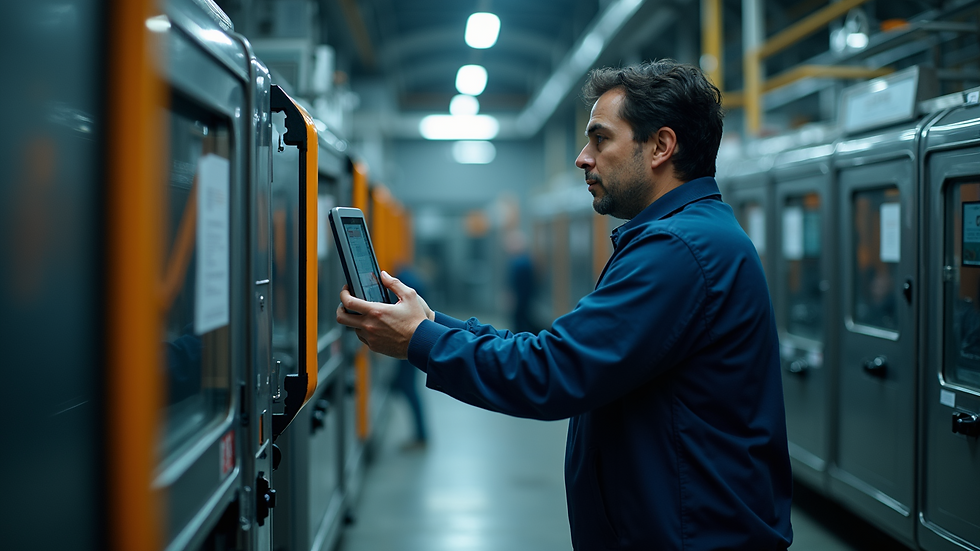
The Importance of Training
Training serves as the backbone of safety in any technical field. It not only equips operators with necessary skills but also fosters a culture of accountability and safety.
1. Hands-On Training
The best way to learn is through experience. Ensure that your training program includes hands-on sessions where operators can work with the machinery under controlled conditions. Real-world experience will prepare them for actual situations.
2. Continued Education
Technology and protocols change frequently. Therefore, establishing continued education initiatives enables operators to stay updated with the latest safety guidelines and HMI functionalities.
3. Emergency Protocols
Train operators on emergency protocols to ensure they know how to react promptly during unforeseen circumstances. This includes how to shut down machinery safely and report incidents.
4. Encourage Questions
Fostering an environment where operators feel comfortable asking questions can enhance safety. Every uncertainty should be addressed promptly to ensure all personnel are well-informed.
The Role of Reporting Issues
An efficient reporting system can significantly enhance safety standards. Operators should be encouraged to report any anomalies they observe in the HMI or machinery immediately.
1. Streamlined Reporting Processes
Ensure that incident reporting processes are straightforward and accessible. Operators should know whom to contact and how to document their observations.
2. Openness to Feedback
Management should promote a culture that values feedback from operators. Regularly review reports to identify patterns or recurring issues, which can reveal underlying safety concerns.
3. Sharing Best Practices
Take time to share success stories and best practices among teams. Recognizing positive contributions promotes a safety-first mindset and encourages others to follow suit.

Embedding Safety into Company Culture
Creating a strong safety culture should be a company-wide initiative. Everyone, from management to operators, has a role in maintaining high safety standards.
1. Commitment from Leadership
Leaders should model safe behaviors and prioritize safety in all aspects of operations. Their dedication can motivate others and create an environment of shared responsibility.
2. Regular Safety Meetings
Holding regular safety meetings can keep the focus on HMI hazards and operational safety. Use these meetings as a platform to discuss recent issues, improvements, and innovations.
3. Incentivizing Safety
Consider implementing an incentive program that rewards operators for adhering to safety protocols and reporting issues promptly. Recognizing and appreciating safe practices can motivate compliance.
4. Utilizing Technology
Leveraging technology can streamline safety practices. For instance, implementing sensors that alert operators of potential hazards can prevent accidents before they occur.
In closing, fostering a safe HMI environment requires diligent effort, a commitment to training, clear reporting protocols, and a culture that prioritizes safety above all. As we raise awareness about safe HMI practices, it is crucial that we all take responsibility for our roles in maintaining a secure work environment. Remember, safety is not just a priority; it is a shared responsibility.


Comments