


The Role of Occupational Health and Safety Training
- Global Safety Training
- Oct 20, 2025
- 4 min read
Safety at work is not just a checklist item. It is a commitment. A commitment to protect lives, prevent injuries, and create environments where everyone can thrive. That’s why OH&S safety training plays a crucial role in every organization. It empowers people with knowledge, skills, and confidence to handle risks effectively. It transforms workplaces from potentially hazardous zones into safe havens.
Let’s explore why this training matters, what it involves, and how it can be a game-changer for your safety culture.
Why OH&S Safety Training Is Essential for Every Workplace
Safety training is more than a legal requirement. It is a proactive strategy that benefits everyone involved. When employees understand hazards and know how to respond, accidents drop. Productivity rises. Morale improves. And the organization saves money on costly incidents.
Here’s why investing in OH&S safety training is a smart move:
Prevention is better than cure: Training helps identify risks before they cause harm.
Empowerment through knowledge: Workers feel confident and responsible.
Compliance with laws: Avoid fines and legal troubles by meeting safety standards.
Improved communication: Everyone speaks the same safety language.
Stronger safety culture: Safety becomes a shared value, not just a rule.
For example, a construction company that regularly trains its crew on fall protection and equipment handling sees fewer injuries and less downtime. A manufacturing plant that educates staff on chemical hazards and emergency procedures can respond faster and safer during incidents.
What Does OH&S Safety Training Cover?
OH&S safety training is comprehensive. It covers a wide range of topics tailored to the specific risks of each workplace. The goal is to equip everyone with practical skills and clear understanding.
Typical training modules include:
Hazard identification and risk assessment
Learn how to spot dangers and evaluate their impact.
Emergency response and evacuation
Know what to do in fires, spills, or other emergencies.
Personal protective equipment (PPE)
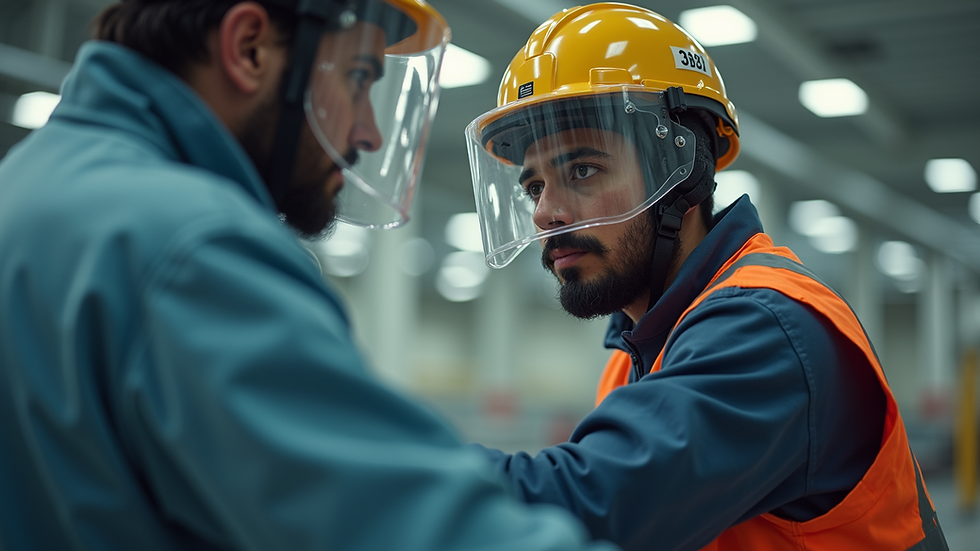
Understand when and how to use gloves, helmets, goggles, and more.
Safe equipment operation
Training on machinery, tools, and vehicles to prevent misuse.
Ergonomics and manual handling
Techniques to avoid strain and musculoskeletal injuries.
Workplace violence and harassment prevention
Creating a respectful and safe environment for all.
Health and wellness
Promoting mental health, stress management, and healthy habits.
Each training session should be interactive, engaging, and relevant. Using real-life scenarios, hands-on practice, and clear visuals helps retention and application.

What Training Does OSHA Require?
The Occupational Safety and Health Administration (OSHA) sets specific training requirements to ensure workplace safety. These requirements vary by industry and job role but share a common goal: protecting workers from hazards.
Some key OSHA training mandates include:
Hazard Communication Standard (HCS)
Training on chemical hazards and safety data sheets.
Bloodborne Pathogens
For workers exposed to infectious materials.
Fall Protection
Required for employees working at heights.
Lockout/Tagout (LOTO)
Procedures to control hazardous energy during maintenance.
Respiratory Protection
Proper use of respirators in hazardous environments.
Confined Space Entry
Safe practices for working in enclosed spaces.
Electrical Safety
Training on electrical hazards and safe work practices.
Employers must provide this training at no cost to employees and ensure it is understandable. Refresher courses are also necessary to keep knowledge current.
By meeting OSHA’s standards, organizations not only comply with the law but also build safer workplaces that reduce injuries and fatalities.
How to Implement Effective OH&S Safety Training Programs
Creating a successful safety training program requires planning, commitment, and continuous improvement. Here’s a step-by-step approach to get started:
Assess your workplace risks
Conduct thorough hazard assessments to identify training needs.
Set clear objectives
Define what the training should achieve for different roles.
Choose the right training methods
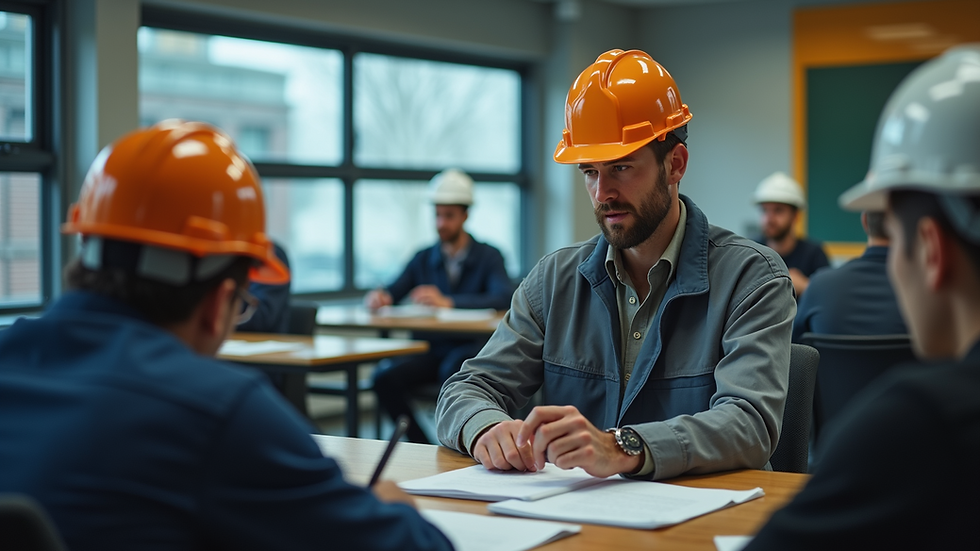
Combine classroom sessions, e-learning, hands-on practice, and toolbox talks.
Engage qualified trainers
Use experts who understand both safety and adult learning principles.
Make training accessible and inclusive
Consider language, literacy, and cultural differences.
Evaluate and update regularly
Use feedback, incident reports, and audits to improve content.
Encourage ongoing learning
Promote safety as a continuous journey, not a one-time event.
Remember, training is most effective when it is relevant, practical, and supported by leadership. When everyone from top management to frontline workers values safety, the entire organization benefits.
The Impact of Quality Safety Training on Business Success
Investing in occupational health and safety training is not just about avoiding accidents. It’s about building a resilient, productive, and positive workplace culture.
Here’s what quality training can do for your business:
Reduce injury rates and associated costs
Fewer accidents mean lower medical bills, insurance premiums, and legal fees.
Boost employee morale and retention
Workers feel valued and cared for, leading to higher job satisfaction.
Enhance reputation and trust
Clients and partners prefer companies with strong safety records.
Increase operational efficiency
Safe workplaces experience less downtime and disruptions.
Meet global standards and expand opportunities
Compliance opens doors to international markets and contracts.
In short, safety training is a strategic investment that pays off in many ways. It creates a win-win situation where people are protected, and businesses thrive.
Taking the Next Step Toward Safer Workplaces
Safety is a shared responsibility. It requires knowledge, vigilance, and action. By prioritizing OH&S safety training, you lay the foundation for a safer, healthier, and more productive environment.
Whether you are starting from scratch or enhancing existing programs, remember these key points:
Training must be tailored to your specific risks and workforce.
Engagement and communication are critical for success.
Continuous improvement keeps safety practices relevant and effective.
Partnering with experts can provide valuable guidance and resources.
At Glorious Safety, we are dedicated to helping organizations worldwide achieve excellence in occupational health, safety, and environmental performance. Together, we can create workplaces where everyone returns home safe and sound every day.
Ready to make safety your top priority? Explore our training and consulting services to get started on your journey.
Stay safe, stay informed, and keep building a culture where safety comes first.


Comments